10 of the Most Popular JavaScript Frameworks & Libraries for Web Development in 2023

There is no doubt that JavaScript is now the #1 programming language in the world and also the king of web development. If you want to become a web developer who can quickly create websites as you see on the internet then a good knowledge of JavaScript and various, popular JavaScript web development frameworks is very important for you.
These frameworks have completely changed the way people develop web applications a decade ago. After node.js, it’s even possible to create a complete web application from front to back using just one programming language, JavaScript. That’s why it has become the favorite programming language of all Full-stack Web Developers.
JavaScript started its journey as a client-side scripting language that could be used along with HTML for writing web pages and provide dynamic functionality at the client-side like the validation of input and animations.
Things started changing when AJAX comes into the picture which allowed the web developer to update a part of the web page without downloading the whole web page from the server, this made the GUI faster and more responsive.
Then comes jQuery which made JavaScript hugely popular. It won the game for JavaScript on the client-side with virtually no competition but server-side language like Python, PHP, and Ruby was still required to develop web applications.
Also, creating and managing UI wasn’t easy with different technologies e.g. JSP, ASP .NET, etc but then comes node.js which made it possible to develop a server-side component using JavaScript. Now, you can develop a fully functional web application by just using JavaScript.
Top 10 JavaScript Frameworks for Web Developers.
In this article, I am going to share some of the most useful JavaScript frameworks and libraries you can use for web development. As a web developer, you should be familiar with them and know when you can leverage them to build your next project. The list includes frameworks like Angular, Ember.JS, Node.JS, and libraries like jQuery and ReactJS
1. Node.js
Node.js or Node JS is another powerful JavaScript framework that allows you to develop a server-side component using JavaScript.
The biggest advantage of Node JS is that now you can develop a web application end-to-end using just JavaScript.
It’s also free and runs on various platforms (Windows, Linux, Unix, Mac OS X, etc.) Node.js uses an asynchronous, event-driven, non-blocking I/O model that makes it lightweight and efficient.
Node.js’ package ecosystem, npm, is also the largest ecosystem of open source libraries in the world. If you want to learn more about Node.js then The Complete Node.js Developer Course (2nd Edition) is a great course, to begin with. You can get it for just $9.99 on a Udemy sale.
2. React JS
React is Facebook’s component-based web development framework for making UIs and offering declarative views, which makes the code more predictable and easier to debug.
It does not support controllers or models. React can also render on the server using Node and power mobile apps using React Native. In short, it allows you to build powerful, fast, user-friendly, and reactive web apps.
If you want to learn React then React 16.6 — The Complete Guide is a good course to start with. You can take this online course on Udemy.
If you need free courses to learn React framework then you can also see this list of free React courses.
3. Vue.js
Vue.js is another open-source progressive JavaScript framework for building user interfaces, similar to React.
The USP of Vue.js is its adaptability, integration into projects that use other JavaScript libraries is very easy with Vue because it is designed to be incrementally adoptable.
It also supports declarative rendering using template syntax to provide data to the DOM. For beginners, Nuxt.js — Vue.js on Steroids is a good place to start with and find more information.
4. jQuery
jQuery is probably the most popular JavaScript library out there which provides so many features for modern-day development.
You can use jQuery API for event handling, animation, and manipulating of the HTML document, also known as DOM. Besides this, jQuery is being used with Angular and React App building tools too. In short, one of the must-know JavaScript libraries for web development.
If you decide to learn jQuery from scratch or want to improve your understanding then The Complete jQuery Course: From Beginner To Advanced! is a good place to start with.
Btw, If you need free courses to learn the Angular framework then you can also see this list of free jQuery courses.
5. Backbone.js
Backbone.js is a JavaScript library with a RESTful JSON interface and is based on the Model, View, and Presenter design paradigm. Backbone.js provides structure to heavy web applications.
It also provides models with key-value binding and custom events, collections with a rich API of enumerable functions, views with declarative event handling, and connects it all to your existing API over a RESTful JSON interface.
If a UI action allows a model attribute to change, it will result in an automatic change of event. The changes on the models are propagated to UI to help them to re-render themselves.
If you want to know more about Backbone JS then I suggest you check Backbone Tutorial: Learn Backbonejs from Scratch course on Udemy.
Backbone Tutorial: Learn Backbonejs from Scratch
Want to learn how to write clean, maintainable, testable Javascript code? There are many libraries and frameworks to…
6. Ember.js
Ember.js is another popular, open-source JavaScript web framework that is based on the Model and View pattern.
It allows developers to create scalable single-page web applications by incorporating common idioms and best practices into the framework itself.
It has integrated features like templates also known as handlebars that helps in writing less code and have the ability to update themselves with a change in data. Ember.js can be installed via NPM.
7. Meteor JS
Meteor or MeteorJS is a full-stack JavaScript platform for developing modern web and mobile applications.
Meteor includes a key set of technologies for building connected-client reactive applications, a build tool, and a curated set of packages from the Node.js and general JavaScript community.
It helps in faster app development for web, mobile, or desktop with relatively less code. If you want to develop a web application using Meteor then Learn MeteorJS By Building 10 Real World Projects on Udemy is a good course to start with.
Learn MeteorJS By Building 10 Real World Projects
Its a Complete Course to Learn MeteorJS Step by Step Through The Complete Process of Building 10 Real World Projects.
8. Angular
Angular previously known as Angular JS is a single web development framework developed by Google for both desktop and mobile web applications.
Angular aims at creating progressive web apps by offering dependency injection that helps in data service assembly for applications while an HTML template is used for composing templates.
Angular also has a powerful ecosystem that includes four data libraries and support in IDEs. If you want to learn Angular then Angular — The Complete Guide is a good place to start with.
Btw, if you don’t mind learning from a free resource or if you need free courses to learn the Angular framework then you can also see this list of free Angular courses.
9. Polymer JS
The polymer is another open-source JavaScript library that helps you create custom reusable HTML elements, which can be used to build performant, maintainable web applications.
If you compare Angular with Polymer as both are developed by Google, then Angular is a complete framework for building web apps, whereas Polymer is just a library for creating Web Components.
If you want to learn Polymer JS then Getting Started with Polymer.js on Pluaralsight is a good course to start with.
10. Webix
Webix is a multi-widget JS UI framework that focuses on cross-platform web development.
Its complex widgets (Kanban, File Manager, SpreadSheet, Scheduler, and Pivot) are ready to be integrated into any solution. Webix operates easily in the Angular, React, Vue.js, and Meteor environments.
It’s not free and it may cost some money for commercial use but there is a free open-source version. The library includes detailed documentation, sufficient study materials, and professional technical support.
11. Ext.JS
For a change, Ext.JS is a commercial Javascript product rather than the free and open-source stuff we have been discussing so far.
Ext JS or Sencha Ext JS is used for making data-intensive, enterprise-oriented, and cross-platform web applications. It provides several sophisticated UI components like calendars and data grids.
If you want to learn Ext.js then Building Application with Ext JS is a nice course to start with.
That’s all about some of the essential JavaScript frameworks and libraries for modern web development. These JavaScript libraries had seriously made web development faster and easier. You will also find numerous other JavaScript libraries for your different needs.
After Node.js it's even possible to develop a complete web application, front to back using just JavaScript.If you want to learn more about modern web technologies, The Web Developer Bootcamp by Colt Steele on Udemy is the best course to start with.
Thanks for reading this article so far. If you find these frameworks useful for Web development then please share them with your friends and colleagues. If you have any questions or feedback then please drop a note.
P. S. — If you are a beginner and just starting with web development then The Complete Web Developer Bootcamp by Angela Yu is also an excellent course to start with. It will teach you web development without any programming experience and it also covers most of the frameworks discussed here.
21 Best Javascript IDE & Code Editors To Use in 2022 [CSS, HTML, JavaScript]
Nowadays, Javascript is getting more and more popular in front-end development. You can write JavaScript code in a regular “Notepad” – save the result with the .js extension, and it will not only connect to the site but even work. However, using such a limited editor would greatly slow down development. Therefore, it is better to take something specialized. Our list of the best Javascript IDEs should help you to decide.
Many editors meet all the necessary requirements and are suitable for working with JavaScript. Writing code is everyone’s business, but many have problems with choosing the right program. That is why I have compiled a collection of 21 best Javascript IDEs with their pros and cons.
Let’s make a reservation right away that this is not the top list, but the simple list. The first does not mean the best; the last does not mean the worst. Therefore, you can choose any tool based on your needs and preferences.
But first, let me make it clear for you what IDE is and what the difference with a simple code editor.
What is an IDE
The term IDE (Integrated Development Environment) means an editor extended with a lot of “bells and whistles” and knows how to work with auxiliary systems such as a bug tracker, version control, and much more.
As a rule, the IDE loads the entire project to provide autocompletion for the whole project’s functions, convenient navigation through its files, etc.
If you haven’t thought about choosing an IDE yet, look at the following options below.
Please, make a choice according to your taste and other technologies that you need to use in conjunction with JavaScript.
Most IDEs are paid, with the ability to download and use for free for a while. But their cost, compared to a web developer’s salary, is not high, so that you can focus on convenience.
What Is the Difference Between IDEs and Editors?
An IDE is a software application that provides a developer with all the development process capabilities. It contains:
- a source code editor,
- debuggers,
- compiler,
- interpreter,
- build automation.
Many IDEs provide you also with class or object browsers, the ability to generate a class diagram from the project structure (in object-oriented programming), and run test cases (like Visual Studio). Having all these features, that’s why it is called an integrated development environment.
A code editor is a separate application that is required to write or edit source code. The source editor checks the syntax while the user is writing code and immediately warns of syntax errors.
What to Look for When Choosing the Right Development Environment?
Development requires a good editor. The editor you choose should have in your arsenal:
- Syntax highlighting.
- Autocompletion.
- Folding. The ability to hide and reveal a block of code.
- Support for the operating system you need. Pay particular attention to this point if you work in a team. It is best to give preference to cross-platform solutions.
- Opportunities for joint development. This again applies to commands intending to work with a shared repository. Many of the platforms we’ll cover below integrate with Git.
- Supported languages(programming, of course). Here, do not forget about the long-term perspective – suddenly, someday, you decide to add features implemented in some other language to the project. It is worth choosing an environment that supports multiple programming languages.
- The price. There are many free open source solutions out there. However, usually the case with almost all such softwares, the cost depends on the number of features available.
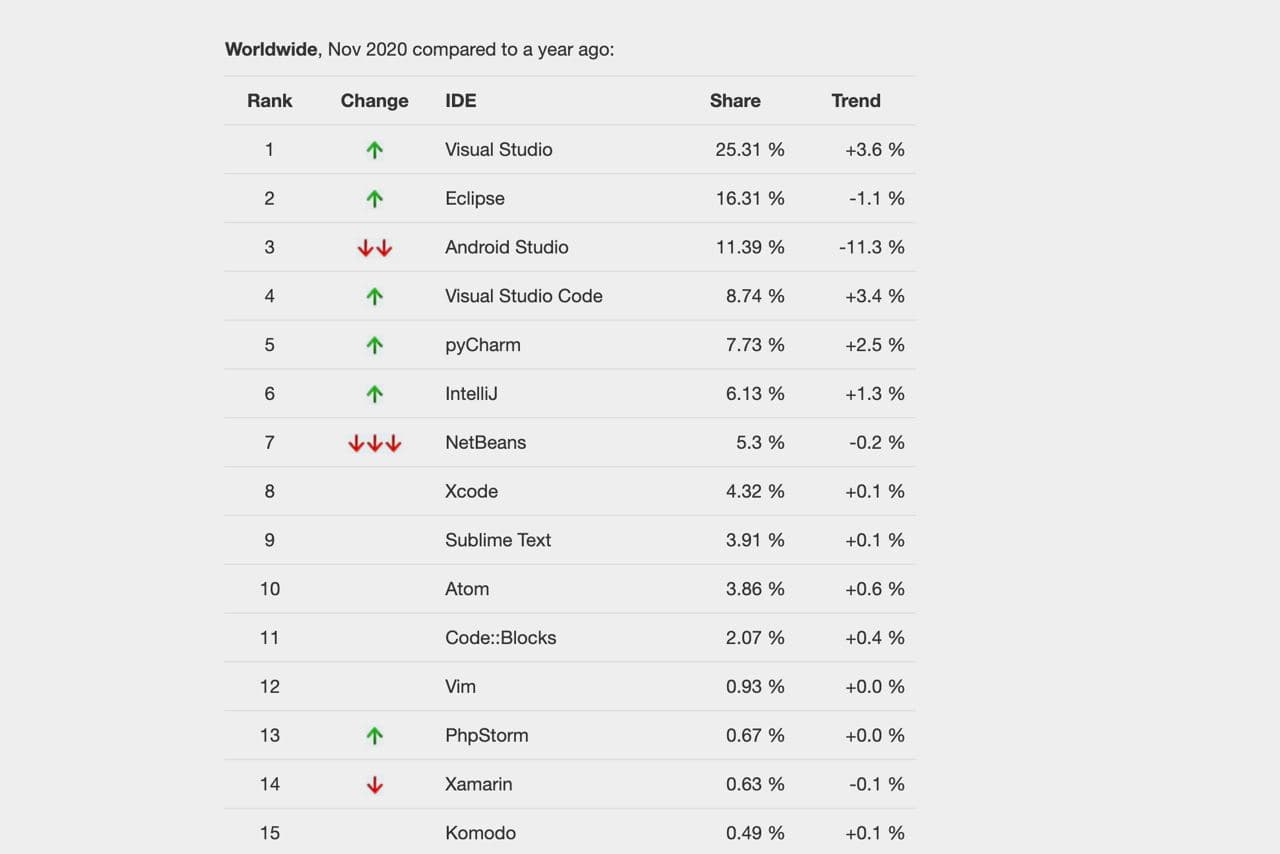 Best javascript ide
Let’s have a look at the most popular IDE, according to Github statistics. Of course, not all of them use Javascript, so I’ll just skip unsuitable and add some user’s favorites ��.
Free Best Javascript IDE
Visual Studio Code
 Visual Studio Code
Platforms: Windows, Linux, macOS
Price: free
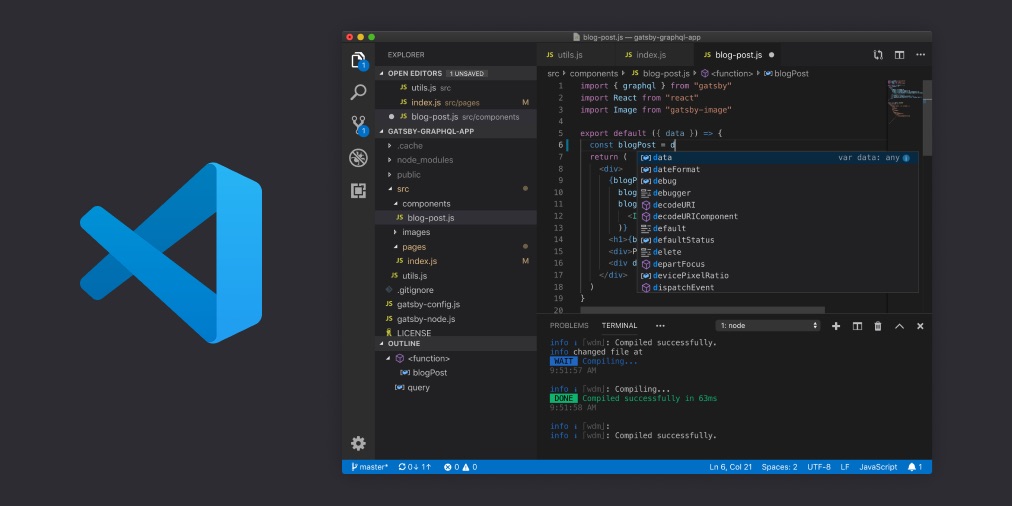
Visual Studio Code is a free HTML IDE from Microsoft. This editor supports Typescript, C ++, Java, Javascript, PHP, Python, and others. With Visual Studio Code, the Redmond-based company has a serious product that has developed a fan base within a very short time that almost makes you forget everybody’s favorite Sublime text.
Visual Studio Code is not only available for Windows but also macOS and even Linux. This allows you to work across platforms with the same comfort and functionality.
VS Code can easily be functionally expanded with extensions. You can bring about visual changes using themes, of which there is also a wide variety. VS Code works directly with Github and offers extremely good syntax highlighting for various languages and an advanced variant of code completion.
VS Code is subject to a four-week update cycle. The change logs are an extensive month after month. The product is being massively developed, with the user community’s wishes being seriously taken into account. In addition to the optical and functional expansion options, this Javascript editor does not neglect user support. Comprehensive documentation is available and tutorial videos for beginners.
- It is an open source.
- Has many features like solution explorer, source control, debugger, extensions area.
- Supports a terminal inside a window.
- Good for .Net core development.
- It can be a little tricky as it is minimalistic.
- It has low functionality and is not suitable for large projects.
Eclipse
 Eclipse
Platforms: Windows / Linux / macOS / Solaris
Price: free
It is a free open source development environment that is well suited for both novice and experienced developers. Eclipse IDE works with C, C ++, Fortran, Javascript, PHP, Python, Ruby, and others.
Besides debugging tools and Git/CVS support, Eclipse comes with Java and a plugin tool. Initially, Eclipse was used only for Java, but now, its functions have expanded thanks to plugins and extensions significantly. Because of the ability to extend Eclipse with its modules, this platform has gained its popularity among developers. Eclipse’s functionality is not as large as IntelliJ IDEA, but this development environment is distributed open-source.
- Ability to program in many languages.
- Significant flexibility of the environment due to modularity.
- Ability to integrate JUnit.
- Remote debugging (when using JVM).
- With the plugin aCute, the syntax coloring is visible (for C#).
- Code completion is offered from the language server.
- You can move on to declaring variables, classes, and methods.
- You can develop a complete version of the main .net project without leaving the IDE.
- Projects built using MS test and xUnit can run directly in the IDE.
- Newcomers can find it difficult to understand the variety of possibilities.
- The plugin is community-driven, so there is no guarantee that it will always perform well.
NetBeans
 NetBeans
Platforms: Windows, Linux, macOS, BSD, Solaris
Price: free
Another IDE for Java, but like Eclipse, you can extend it for additional languages. It supports Java, HTML5, JavaScript, PHP, Python, C / C ++ and CSS3. Netbeans can speed up the desktop application development process with its drag and drop builder. The downside is performance. Netbeans can slow down on large projects. This code editor is also open source.
- Intuitive drag-and-drop interface.
- Dynamic and static libraries.
- Remote development capability.
- Qt support.
- Supports various compilers, including CLang/LLVM, Cygwin, GNU, MinGW, and Oracle Solaris Studio.
- NetBeans requires a lot of memory, so that this environment can be slow on some machines.
 Atom
Platforms: Windows, Linux, macOS
Price: free
Thanks to its deep integration with GitHub, Atom is now a particularly popular editor.
If you develop web projects in GitHub, there is no way around Atom: The open-source editor was developed by GitHub and is therefore closely linked to the platform. Nevertheless, Atom is also a completely normal Javascript editor, with the help of which web projects can be implemented.
Atom also has some practical features, such as a permanent display of all project files or the quick splitting of the code windows. So it allows you to edit particularly quick and clear. The editor also has a function for collaborative work on project files, making it suitable for teams.
Pros:
- Completely free to use.
- Cross-platform.
- Instant file switching.
- Topics. Customize the theme for every taste.
- Packages. Atom has a built-in CoffeeScript package manager.
- Command-line. Installing Atom adds two command line commands, atom, and apm. The first launch of the application itself and the second launch of the Atom package manager.
- It allows you to add and remove various components from the package list.
Cons:
- Launch. The atom is very slow to start, which is a big drawback if you are used to making quick changes to your files.
- Crashes. Typically, text files over 10MB crash or freeze, making it less useful as a regular text editor.
 Vim
Platforms: Windows, Linux, macOS
Price: free
Vim is a free and highly customizable code editor. It was the first text editor developed for Unix, and it was called Vi. Later, its functionality was significantly expanded. This is how Vim appeared. This Javascript editor is available on most Linux distributions.
Vim has search and syntax highlighting features and is super lightweight. Thus, it can handle even very large files well. But it will take some time to set up and prepare for work.
Vim also has a graphical interface, but not by default. Even enabling mouse support requires some manipulation. By default, Vim is controlled by keyboard and keyboard shortcuts.
Vim can be a great IDE if you customize it and become familiar with it inside and out. But if time is tight, this is probably not the best choice. Pros:
- It is possible to install on a very large number of operating systems, even those that you may have never heard of, for example, Amiga;
- Deep editor settings, you can customize it as you need and convenient;
- Not really fast.
- Due to the fact that it is terminal, it is very fast but very difficult to learn.
Light Table
 Light Table
Platforms: Windows, Linux, macOS
Price: Free /Open Source
Light Table started as a Kickstarter campaign back in 2012 and has raised over $ 300,000. It works on all major operating systems. However, the installation process currently requires some additional steps for OS X users. Light Table has a sleek and streamlined user interface that saves clutter but still provides you with a command palette and fuzzy search. It is written in ClojureScript and currently supports HTML, CSS, JavaScript, Python, Clojure, and ClojureScript.
With Light Table, you can easily do an inline evaluation in your code. This means you don’t need to use the console when you want to view your results. The Light Table also allows you to embed whatever your project needs, such as graphics, games, and visualizations. The Light Table has a built-in plugin manager (accessible from the View> Plugin Manager menu), as well as a pretty good selection of additional plugins.
Pros:
- inline score
- powerful plugin manager
- easy customizable
- fast, user-friendly interface
- free and open-source
Cons:
- Currently, there is no default PHP support, so a few extra steps are required for WordPress development (for example, you can use PHP plugin).
Aptana Studio
 Aptana Studio
Platforms: Windows, Linux, macOS
Price: free
Aptana Studio is a complete IDE for web development that combines powerful development tools with a suite of online hosting and collaboration services. It will help you and your team get more done. This IDE includes support for PHP, CSS, FTP, and more.
It positions itself as the best IDE for web development. The editor works on all major operating systems.
- many JavaScript libraries,
- built-in debugger,
- terminal,
- FTP-sync,
- team development.
Aptana includes standard functions for applications from this area, such as auto-completion, error checking, et. Pros:
- JS code assist.
- Online support available
- It has an Eclipse plugin version and a standalone.
- HTML5-aware code assists displays in which tags are supported by which browsers.
- Support for web application development.
- Allows running commands from a built-in terminal emulator.
- Available for free under the GPL license on GitHub.
- Supports Git.
- Slow work in enclosing project mode.
- Sometimes it hangs and crashes.
- Has some requirements for the JDK version and plugin version Eclipse 3.5+ and Git.
AWS Cloud9
 AWS Cloud9
Platforms: Windows, Linux, macOS
Price:free for AWS Free Tier, for pricing use calculator on the website. Usually, it starts from $29/month
AWS Cloud9 is a cloud-based IDE from Amazon that supports over 40 languages , including Javascript, C, C ++, CoffeeScript, Go, Java, PHP, Python (2 & 3), and Ruby. This online Javascript IDE includes defaulting all the SDKs, libraries, and plugins required to build serverless applications. Cloud9 has its terminal that provides sudo access to the managed Amazon EC2 instance hosting the development environment and an AWS CLI with pre-configured authentication. This makes it easy to quickly launch various commands and provides direct access to AWS services. There is support for multiple parallel development environments to isolate project resources.
The free version includes 1 Gb RAM + 1 vCPU, Amazon Linux or Ubuntu Server 18.04 LTS, chat, SSH connection. Pros:
- full-fledged support for JavaScript, PHP, Python. Here are auto-completing the code, highlighting errors, debug mode, navigation through the code, searching for files, and functions. In short, good work has been done for scripting languages.
- the ability to connect to FTP, as well as SSH connection to servers.
- sudo access. Customizing the environment for yourself is quite simple.
- svn, Git is already preinstalled.
- collaboration mode with built-in chat.
- a set of built-in build systems for scripting languages.
- existing code debugging is clearly not what a Java developer would like to see.
- free account restrictions. Well, without it, nowhere.
Brackets
 Brackets
Platforms: Windows, Linux, macOS
Price: free
Brackets is Adobe’s answer to Atom and the many paid HTML and JS editors. The editor prides itself on being particularly modern, and the interface is very elegant, with no unnecessary controls.
Functionally, Brackets is still powerful. Thanks to numerous extensions, Brackets supports a large number of languages and additional functions that can be installed with just a few clicks.
Brackets from Adobe can score among other things with a plugin for WordPress development.
- Extension in Google Chrome. The main feature of the Brackets editor, highlighted by many developers, is real-time communication with Google Chrome. With this mechanism’s help, the developer can immediately observe how all these changes will be displayed in the browser after a change is made.
- Brackets is recognized as one of the best Javascript IDE for macOS.
- Widely developed hotkey system.
- The main feature that distinguishes Brackets from other JS editors is the Extract function. The extraction function allows you to extract information directly from the PSD – such as fonts, colors, and dimensions, with pure CSS and no contextual code references.
- Few extensions compared to other editors on the market.
- Lack of support for server-side languages (Python, PHP, Ruby).
RJ TextEd
 RJ TextEd
Platforms: Windows
Price: free, donation is welcome
RJ TextEd is a free text editor with source code editing and Unicode support. The program will also be useful for web developers, thanks to the ability to carry out HTML/CSS — editing and work with standard commands and functions in JavaScript and PHP.
Besides, it includes lots of useful features such as:
- syntax highlighting,
- preview in the most popular browsers,
- spell checker,
- automatic word completion,
- support for templates and plugins,
- drag-and-drop,
- built-in file manager
- and FTP client for file uploads, and much more.
- relatively small size;
- syntax highlighting support for many languages;
- spell check;
- work with projects;
- many useful tools that make development easier and faster.
- not always successful autocorrect;
- some small usefulness is missing (for example, removing unnecessary line breaks in a selection).
- only for Windows.
CodeLite
 CodeLite
Platforms: Windows, Ubuntu, macOS
Price: free and open source
CodeLite is an open source development environment with full support for C, C ++, Node.js, and PHP. There are versions for Linux, Mac, as well as for Windows 32 and 64-bit operating systems.
Because CodeLite is an IDE, it provides a more sophisticated built-in development environment for the languages it supports, flexibly expanding its scope with custom plugins. Despite its complexity, it is lightweight and easy to use.
The IDE also has general compiler support, interactive debuggers, integrators, and code completion. While CodeLite has advanced features that can be a bit overwhelming for beginners, getting started with its superficial functionality is easy.
- Many useful plugins;
- 50 mb memory footprint;
- Cross-platform;
- Still developing actively on Github;
- Free open-source.
- Boring UI
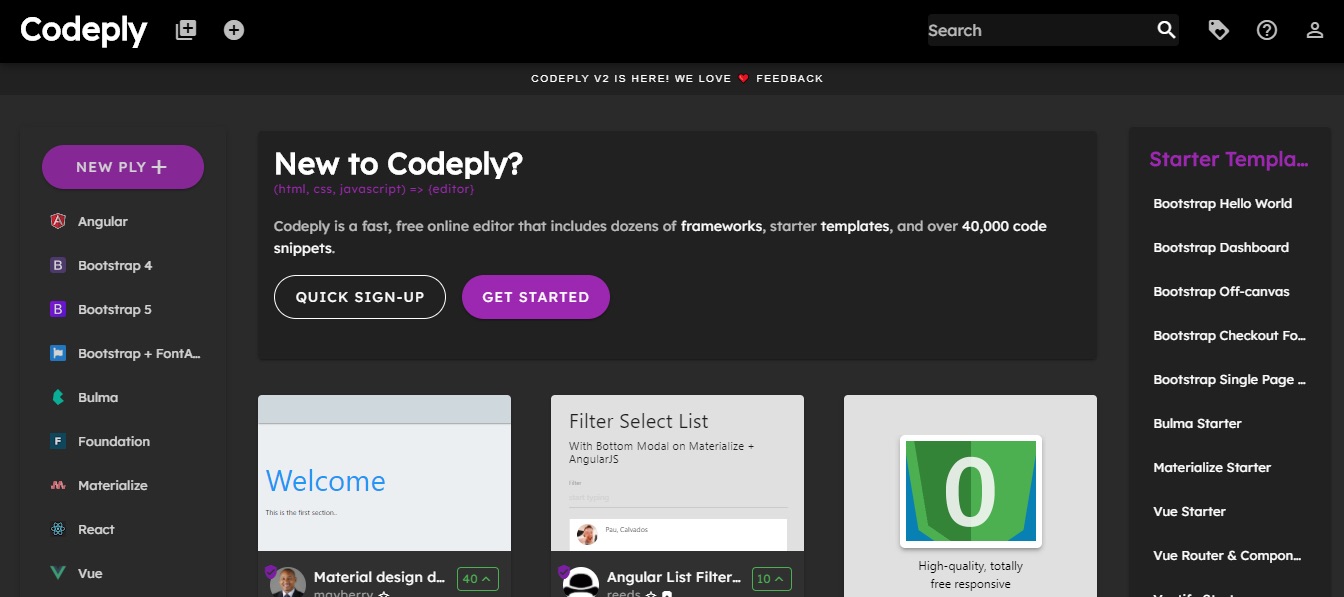
Codeply
 Codeply
Platforms: Online editor in web browser
Price: free
Codeply is another tool JavaScript IDE for quickly editing online. This product was launched back in 2014, and the 2nd version was released in 2019.
The team behind Codeply claims that their product is suitable for rapid prototyping, mock-up, learning, and exploring popular new libraries, APIs, plugins, and frameworks.
The standard set of functionality includes layout settings, a preview of results, ready-made templates, and social network elements. Compared to other tools, Codeply is fast.
- Works with many frameworks such as Bootstrap, Pure CSS, etc.
- Responsive preview.
- Snippets for UI editor.
- Compared to other tools, Codeply is fast.
- Only after donation, you can receive upgrades.
Best Premium Javascript IDE
Visual Studio
 Visual Studio
Platforms:Windows, Linux, macOS
Price: from $45/month
Microsoft Visual Studio is an IDE from Microsoft. It is used to develop computer programs for Microsoft Windows and websites, web applications, and web services. Visual Studio uses Microsoft software development platforms such as Windows API, Windows Forms, Windows Presentation Foundation, Windows Store, and Microsoft Silverlight. It can create both native codes and managed code. Visual Studio includes a code editor that supports IntelliSense as well as code refactoring. The integrated debugger works as a source-level debugger and a machine-level debugger. Other built-in tools include a form designer for building GUI applications, a web designer, a class designer, and a database schema designer. It accepts plugins that extend functionality at almost every level, including adding support for version control systems (such as Subversion) and adding new toolkits editors and visual designers for domain-specific languages or toolkits for others.
Visual Studio supports various programming languages and allows the code editor and debugger to support virtually any programming language as long as a dedicated language service exists. Embedded languages include XML / XSLT, HTML / XHTML, JavaScript and CSS, C, C ++ and C ++ / CLI, VB.NET, C #, and F #. Support for other languages such as M, Python and Ruby, and others is available through language services installed separately.
Pros:
- Many tools in the environment work very well in JS and C#.
- There is a free version called Community Edition.
- The community is full of everything an independent developer needs.
- The best software for development on any platform, let alone .Net and C #.
- There is cloud storage.
- Resource intensity.
- If you switch to the paid version, the settings and the corporate server may go wrong.
- The program is difficult to master on your own due to the abundance of functions and menus.
WebStorm
 WebStorm
Platforms: Windows, Linux, macOS
Price: $0-$129/year
WebStorm stands out because it is a fully-featured JavaScript IDE. The developer of this IDE is JetBrains.
This JS editor is great for various platforms such as React, Angular, Vue.js, and more. It can be used to debug node scripts and run tests on an embedded server. You can also run and debug npm scripts (using the tree-like interface). And you don’t need any plugins for all this.
However, plugins are available for some more specific functionality not built into the IDE itself. But in most cases, everything you might need is already in the IDE. The best part about this is that you can discover new features you never knew before and appreciate how great they are.
By default, WebStorm is configured to autosave files as you work on them. When you switch to some other Javascript editor without such functionality, you begin to feel how much it lacks after this IDE. However, this is not a unique feature of WebStorm. It’s just that the implementation here is a little nicer.
Some people don’t always trust ctrl-z to undo, but WebStorm has a built-in version control system that commits every time a file is saved. It’s purely internal, completely separate from your Git commits. So if you haven’t made a commit in Git in a while, and you need to go back and see the previous state after the last commit, you can do it without any problems.
Despite some disadvantages, the project is constantly evolving and improving.
- Convenient auto-completion for both HTML, CSS and JavaScript.
- Error checking and easy code debugging is provided through integration with a number of bug tracking systems.
- Native integration with source control systems such as GitHub, Git, as well as Subversion, Perforce, and Mercurial.
- Flexibility of settings.
- Quite a large number of plugins.
- Lots of features.
- No need to search for packages and configure it.
- Excellent indentation, tips on how to simplify the code and basic code validation for errors.
- Great merge tool.
- Smart code completion, on-the-fly error checking, fast code navigation and refactorings for JavaScript.
- Due to its extensive functionality, WebStorm is heavy and resource-intensive;
- Sometimes, when working on very large projects, it eats up memory;
- Inherent to all IDEs, it is slow and resource-intensive.
- Relatively complex settings.
- Paid IDE, distributed by subscription.
- Slow working with lots of projects.
IntelliJ IDEA
 IntelliJ IDEA
Platforms: Windows / Linux / macOS
Price: from $15/month, $150 -$499/year.
The free version only works with Java and Android.IntelliJ IDEA is the next premium IDE developed by JetBrains on our list. You can also use the free Community Edition, and the paid version has a 30-day trial period. IntelliJ IDEA was created as a development environment for Java. Still, now the developers define this IDE as “the smartest and most user-friendly development environment for Java, including support for all the latest technologies and frameworks.” Using plugins, this IDE can be used to work with other languages.
- Code quality analysis tools, easy navigation, advanced refactorings, formatting and code injection for Java, Groovy, Scala, HTML, CSS, JavaScript, CoffeeScript, ActionScript, LESS, XML, and many other languages.
- Integration with application servers, including Tomcat, TomEE, GlassFish, JBoss, WebLogic, WebSphere, Geronimo, Resin, Jetty, and Virgo.
- Tools for working with databases and SQL files.
- Integration with commercial version control systems Perforce, Team Foundation Server, ClearCase, Visual SourceSafe.
- Tools for running tests and analyzing code coverage, including support for all popular testing frameworks.
Cons:
- You will have to take time to understand this IDE, so it may seem daunting to novice programmers.
PyCharm
 PyCharm
Platforms:Windows / Linux / macOS
Price:from $9/month and $90/year.
If you are doing Python development too, take a look at PyCharm, another IDE from JetBrains. Also, it supports CoffeeScript in the free version. Like IntelliJ, it is supported by all three major operating systems. The professional license includes support for HTML, JavaScript, and CSS. Besides, you can always extend the functionality with plugins. With PyCharm, you will have access to:
- Code completion and automatic error search;
- Intelligent navigation through the project;
- Built-in debugger, Python profiler, and terminal;
- Integration with popular version control systems, as well as Jupyter Notebook, Anaconda, and other libraries.
Like IntelliJ IDEA, PyCharm has an open-source Community version, but with limited functionality. It lacks many web development tools, no Python profiler, and no database support.
The Professional license costs $ 89 per year for individuals and $ 199 per year for organizations (per user).
- excellent code completion (including Django templates, an order of magnitude better than analogs, also good autocompletion for JS, CSS, HTML, etc.);
- good debugging capabilities;
- convenient work with version control servers (VCS);
- the ability to work with databases (also good SQL auto-completion and much more);
- the ability to work with code located on a remote machine (also debugging it);
- automatic dependency fix;
- built-in shell.
- paid (it is free, but it is cut off);
- the IDE is written in java, and the main problem is java? – That’s right, there are tons of resources. If you leave the IDE for a long time in debug mode, everything may freeze, which is very stupid;
- sometimes weird when debugging (there are various small bugs).
Sublime Text
 Sublime Text
Platforms: Windows, Linux, macOS
Price:from $0 – $70
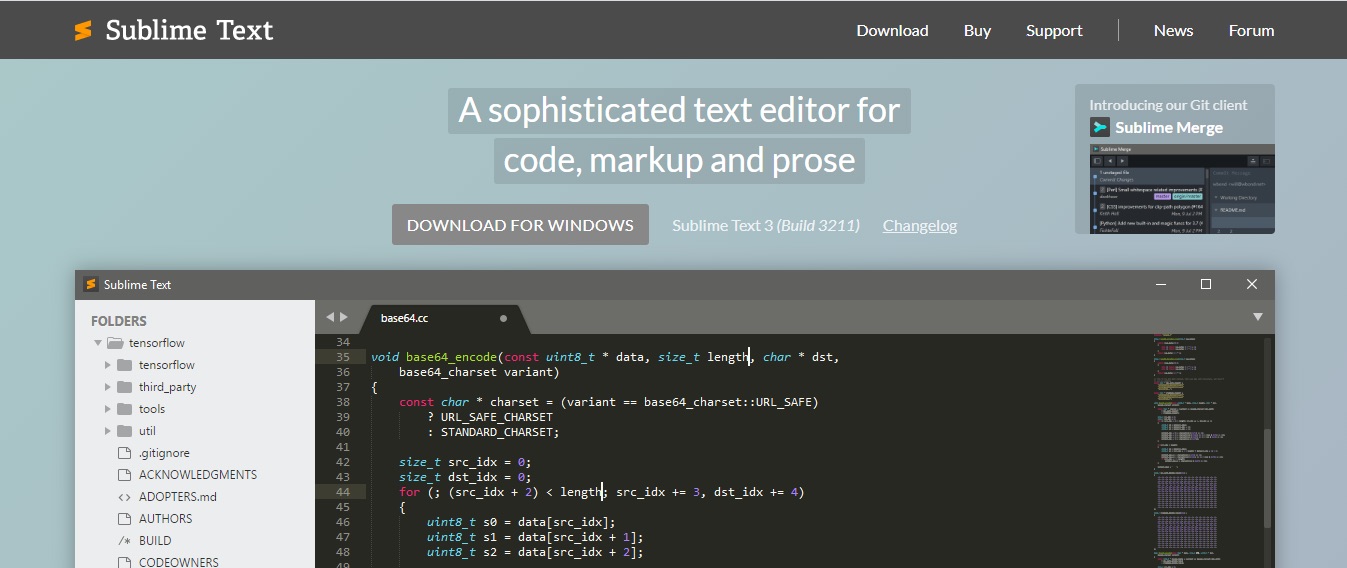
Sublime Text is a powerful text editor and PHP IDE. It’s lightweight, feature-rich, and supported on popular platforms. Users only need one license to use Sublime Text on any computer.
The functionality of the Sublime text editor can be expanded and adapted using plugins. In practice, many JS plugins help turn Sublime Text into an elegant Javascript IDE. Some of the most popular JS plugins are Babel, SublimeLiner, and SideBar Enhancements.
Sublime Text consists of custom components and is very responsive. Projects in Sublime Text capture all of the contents of the workspace, including modified and unsaved files.
Sublime Text uses a custom UI toolkit optimized for speed and beauty, taking advantage of native functionality on each platform.
Pros:
- Convenient editing of the JS and PHP code
- easy to navigate
- Possible to expanded functionality
- Multi-line editing possible
- Beginner-friendly
- many plug-ins available
Cons:
- not open source
- some plug-ins are faulty
- large files are slow to load (Windows)
- not a complete IDE
Phpstorm
 Phpstorm
Platforms: Windows / Linux / macOS
Price: from $19/month and $99- $199/ year.
PhpStorm is a premium IDE that provides code analysis and error prevention for programming languages such as PHP, HTML, CSS, JavaScript, and more. It works well with modern content management systems like Drupal, WordPress, Magento, and Joomla. This editor offers version control, remote deployment, command-line tools, and advanced debugging. The development environment deeply analyzes the code structure, helps avoid errors, and supports databases and SQL.
Pros:
- Code completion and high-quality debugging.
- Convenient navigation.
- Safe refactoring. You can apply changes to the entire project in a couple of clicks.
- Live Edit allows you to see all changes in the browser instantly.
- The interface will be understandable even for beginners.
Cons:
- No free version. But you can download a trial.
Komodo Edit
 Komodo Edit
Platforms: Windows, macOS, Linux.
Price: free for the community and $84 for a coder
Komodo Edit is a free code editor from the Canadian company ActiveState, the developer of versions of the programming languages Active Javascript and Active Python. There is also a version with a smaller set of features – without built-in support for unit tests and debuggers.
Komodo IDE provides syntax highlighting, auto-completion, the ability to work with different line ends and encodings. It is convenient to edit files in other programming languages and hypertext markup here. For Javascript, PHP, Python, Ruby, TCL, there is also a syntax checker. You don’t need any third-party tools.
The package includes debuggers and profilers, a client for version control systems, tools for creating regular expressions, and checking HTTP Inspector requests. You can also install add-ons because the community is actively working on them.
- Convenient customization capabilities.
- Supports popular version control systems.
- Smart syntax highlighting.
- Nice visual debugger.
- It is not lightweight and can start slow.
- Adds projects file to a code.
RubyMine
 RubyMine
Platforms: Windows, Linux, macOS
Price: $199.00/year and 30 days free trial
JetBrains RubyMine software is an IDE for building applications based on popular Ruby and Ruby on Rails technologies. The product can develop web applications in the IntelliJ IDEA environment and includes new unique tools for creating web projects based on the Ruby and Rails platforms.
RubyMine provides powerful development tools that match the Ruby platform’s language and take into account the dynamic nature of the Ruby language and its standard working methods. RubyMine enables comprehensive code analysis of a project, offering developers a code overview and unique auto-completion features for language constructs. RubyMine provides a wide range of refactoring algorithms tailored to the Rails platform, which greatly simplifies code editing and speeds up the product development process.
The IDE includes the ability to transform HTML, CSS, and JavaScript code easily.
- Good code complementation;
- Great in running tests;
- Lots of plugins and shortcuts;
- Database support;
- Built-in Git client.
- Pricey;
- Can work slow with large projects.
Codelobster
 Codelobster
Platforms: Windows, Linux, macOS, Ubuntu, Fedora, Debian.
Price: $0-$80, future updates for $19,99/year
CodeLobster provides simple and powerful functionality for a web programmer. It is suitable for all Windows OS versions: 10, 8, 7. It is famous for its flexible working environment customization, function tooltips, debugging, and todo list. This Javascript editor is recommended specifically for a web developer. It is easily extensible to work with various frameworks: CakePHP, CI, Drupal, JQuery, Yii, Smarty, Symfony, WP, Facebook. A lightweight version of the editor is available for free with a set of tools $ 40, in a full set of plugins and extensions over $ 100.
CodeLobster IDE is designed for editing PHP, HTML, CSS and JavaScript files. It highlights the code depending on the syntax, shows hints for tags, functions, and parameters. This editor works very well with the mixed code.If you insert PHP code into any HTML template, the editor will highlight HTML and PHP parts correctly. The same will happen with inserting CSS and JavaScript code.
The IDE has an intelligent code completion system for functions, tags, attributes, etc., which significantly speeds up work and protects against possible errors.
The Professional Edition has several additional features. For example, you can work with projects on a remote server through the built-in FTP / SFTP client. Simultaneously, you can easily select files for editing, view results, and synchronize files on the hosting.
- Very lightweight;
- Free multiplatform;
- Lots of add-in for popular CMS and frameworks;
- Can work slow with large files;
- High cost for individual use.
Conclusion: Best JavaScript IDE
Many developers pay a lot of attention to their Javascript editors and IDEs, however even the coolest tools will not make you a good specialist. This requires a lot of work and immersion in the peculiarities of the chosen language.
So, if you need some help with your project or just get it to be done, our Fulcrum Rocks team will be very pleased to help you. We are proud to cooperate with top-rated companies worldwide. Please take a look yourself at our latest Javascript products, such as the SYNC.AI productivity toolkit of apps and Kör cross-platform educational app.
Write in the comments which Javascript editor you are using. What do you like and what do you lack about them? Have you tried other solutions?Share what useful selections you would like to see on the blog in the future. We will certainly take into account your wishes ��
Лучшие JavaScript-фреймворки для использования в 2022 году — полное руководство
JavaScript — это язык веб-программирования, который помогает веб-разработчикам сделать статичные веб-страницы более динамичными для улучшения пользовательского опыта. В последние годы на пике популярности находятся JavaScript-фреймворки, которые предоставляют «дорожную карту» для создания клиентских приложений. Эти фреймворки стали популярны в веб-разработке, поскольку они обеспечивают лучший пользовательский опыт благодаря системам разделения кода.
При разработке фронтенда веб-приложений крайне важно знать, как кодировать эти JavaScript-фреймворки. При работе веб-разработчиком вам могут понадобиться знания о таких библиотеках, как React, Angular или Svelte. Вам может быть интересно, какой фреймворк является лучшим вариантом
для веб-приложений. В этой статье мы обсудим, что такое JavaScript, функции фреймворков JavaScript и лучшие фреймворки JavaScript в 2022 году, чтобы вы могли сделать выбор. Давайте углубимся в детали:
JavaScript — это многошаблонный язык программирования для событийно-ориентированных, объектно-ориентированных и основанных на прототипах веб-приложений. Изначально код JavaScript был ориентирован только на клиентскую сторону, но в последние годы он используется и на серверной стороне веба.
Сегодня JavaScript является популярным языком программирования в Интернете. Это единственный язык в Интернете, для которого доступно несколько фреймворков. JavaScript-фреймворки позволяют пользователям создавать масштабируемые веб-приложения с помощью стандартных инструментов. Они имеют несколько библиотек кода JavaScript с шаблонами кода JS, которые помогают выполнять стандартные задачи программирования. Большинство людей путают веб-фреймворки с библиотеками из-за их функций, но они отличаются по своим задачам и масштабу.
Библиотека JavaScript содержит упакованный код, классы, методы и функции, которые можно повторно использовать для разработки веб-приложения. Эти библиотеки предлагают код JavaScript, который разработчики могут использовать повторно. В отличие от JavaScript-кода библиотек JavaScript, JavaScript-фреймворки определяют дизайн веб-приложений, вызывают JS-библиотеку и используют код в ней для завершения приложения. Эти фреймворки предлагают полную дорожную карту для создания веб-приложений вместо одного решения. Разработчики добавили эти фреймворки в свой набор инструментов при разработке веб-решений для своих клиентов. Преимущество использования этих фреймворков заключается в том, что вы можете создавать множество веб-страниц, используя их многократно используемые компоненты.
До появления современных фреймворков популярной библиотекой, используемой разработчиками для написания кода JavaScript, совместимого со всеми веб-браузерами, был jQuery. Все функции были абстрагированы в простую и легкую в освоении библиотеку, которую разработчики использовали на своих веб-страницах.
jQuery положил начало современным фреймворкам, таким как React, Backbone, Angular и Ember, которые обеспечивают архитектуру для создания новых веб-приложений с динамическими страницами.
Роль фреймворков JavaScript в веб-приложениях
Фреймворк JavaScript предоставляет схему, помогающую разработчикам создавать приложения быстрее и дешевле. Используя эти фреймворки, вы можете выполнять код без ошибок.
С помощью их макетов можно строить веб-приложения и создавать различные части пользовательских интерфейсов, чтобы повторно использовать эти компоненты независимо друг от друга, создавая высокоинтерактивные и элегантные веб-приложения.
Более того, эти фреймворки также помогают разработчикам:
- Реализуйте компоненты пользовательских интерфейсов на основе данных
- Смягчайте проблемы фронтенда
- Пишите многократно используемый и легко читаемый код
- Повторно используйте инкременты для создания приложений
- Абстрагирование идей в понятный язык
- Стандартизируйте элементы пользовательского интерфейса, такие как цветовая схема, кнопки и стиль шрифта, чтобы сделать пользовательский опыт лучше.
Более того, эти фреймворки помогают разработчикам использовать языки, специфичные для конкретной области, чтобы сохранить код в более понятном формате. Эти языки могут включать JSX и Handlebars. Все эти функции упрощают разработку для разработчиков благодаря интеграции инструментов для тестирования и отладки кода. Кроме того, эти JavaScript-фреймворки помогают разработчикам автоматизировать установку, обновление и настройку библиотек без ошибок.
Зачем использовать JavaScript Frameworks?
Без сомнения, JavaScript-фреймворки популярны, но все же есть задачи, в которых их использование не обязательно. Допустим, разработка веб-приложения проста и не требует сложных функций. В таких случаях использование фреймворка не рекомендуется. Фреймворки предлагают множество функций, но все они имеют свою ценовую политику. Эти фреймворки, несомненно, обеспечивают более декларативный код, но в итоге вы можете получить приложение с более высокими вычислительными затратами, чем обычный JavaScript.
Если вы работаете над небольшим проектом, который требует интерактивности от пользователя, мы рекомендуем вам не использовать фреймворк. В этом случае вы можете просто использовать JavaScript для создания приложений. Пройдя через наше руководство, вы изучите различные JavaScript-фреймворки и сможете решить, какой из них является лучшим вариантом для вашего проекта.
Преимущества использования JavaScript Frameworks
Как веб-разработчику, вам стоит использовать JavaScript-фреймворки по нескольким причинам. Мы перечислим преимущества использования фреймворков для создания веб-приложений. Давайте начнем:
- Обеспечивают сильную поддержку сообщества
Поскольку эти фреймворки стали популярными среди веб-разработчиков, некоторые из них уже могут столкнуться с проблемой, с которой столкнулись вы. Поэтому, связавшись с сообществом разработчиков, вы сможете найти решение конкретной проблемы.
- Возможность повторного использования
Поскольку эти фреймворки имеют встроенные методы, вы можете повторно использовать шаблон для разработки приложений, не написав ни одной строки кода.
- Быстрая разработка
Использование JavaScript-фреймворка позволяет пользователям быстрее создавать и запускать свои приложения, экономя время.
- Сокращение расходов
Большинство фреймворков JavaScript бесплатны для использования и сокращают затраты на разработку. Использование этих фреймворков экономически выгодно, особенно для владельцев малого бизнеса.
Какие JavaScript фреймворки выбрать для своего проекта?
При разработке веб-приложений необходимо использовать современные фреймворки. Возможно, вы не знаете, какой фреймворк лучше использовать для веб-приложений. Не волнуйтесь! Существует множество фреймворков, доступных разработчикам для создания приложений, но мы перечислим семь самых популярных фреймворков в 2022 году:
- React
- Svelte
- Vue
- Angular
- Ember
- Backbone
- NextJS
Прежде чем выбрать фреймворк, убедитесь в этом:
- У фреймворка есть учебники и руководства для начинающих.
- Выбирайте фреймворк, принятый разработчиками на протяжении многих лет.
- Выбирайте тот фреймворк, который имеет сильное сообщество и документацию.
В этой статье мы рассмотрим самые популярные JavaScript-фреймворки в 2022 году. Давайте углубимся в детали:
React JS
React — это фреймворк с открытым исходным кодом, принадлежащий Facebook (Meta). React — это свободный и декларативный фреймворк, широко используемый для разработки интуитивных пользовательских интерфейсов для веб-приложений. Вы можете использовать этот фреймворк для более быстрого создания масштабируемых приложений. Кроме того, React имеет небольшие пакеты, поэтому его легко освоить новичкам. Вы можете использовать фреймворк React для разработки крупномасштабных веб-приложений, использующих различные данные. Изначально React использовался в Facebook и будет использоваться для лент Instagram. Более того, вы можете использовать этот фреймворк для крупных веб-проектов с небольшой командой.
Согласно опросу State of JavaScript, React является наиболее используемым фреймворком. React.js обеспечивает быстрый пользовательский интерфейс для мгновенного создания веб-приложений с помощью компонентов, а не обновления отдельных частей, как это делает библиотека. Этот фреймворк позволяет инкрементально использовать компоненты для более быстрого обновления веб-страниц. React также предоставляет пользовательский интерфейс под названием JSX для более удобного использования. Давайте рассмотрим особенности фреймворка React:
Особенности
- Позволяет инкрементное использование компонентов
React позволяет пользователям разделять веб-страницу на множество компонентов. Каждая часть относится к пользовательскому интерфейсу, имеет свой собственный код и структуру и помогает разработчикам создавать веб-приложения с многократно используемым кодом.
- Работа с виртуальной объектной моделью документа (DOM)
React предоставляет виртуальную объектную модель документа (DOM) для представления данных в древовидной структуре. Более того, React также разделяет данные на компоненты, содержащие код для каждого независимого элемента пользовательского интерфейса в документе. Наличие DOM в фреймворке React позволяет обновлять только часть веб-страницы, а не весь сайт.
- Поддержка JavaScript XML (JSX)
JavaScript XML (JSX) похож на встраивание HTML в вызовы JavaScript. Эти вызовы помогают веб-разработчикам встраивать модули JavaScript в элементы HTML.
- Обеспечивать динамический пользовательский интерфейс (UI)
JavaScript позволяет вам контролировать дизайн и поток вашего приложения, используя синтаксис JSX в стиле HTML. Выбор веб-архитектуры помогает решить, как должно выглядеть ваше веб-приложение.
Svelte
Svelte — это JavaScript-фреймворк с открытым исходным кодом, который помогает веб-разработчикам превратить необработанный код статичных веб-приложений в интуитивно понятные и интерактивные пользовательские интерфейсы. Этот фреймворк, созданный Ричем Харрисом, обогатил экосистему JavaScript. Как и React, Svelte — это больше, чем фреймворк; он работает как компилятор, превращающий код Svelte в ванильный JavaScript для получения более быстрых веб-решений, чем VueJS и React.
Примечание: Если вы заинтересованы в создании приложений с помощью фреймворка Svelte, вам следует изучить SvelteKit. Svelte компилирует код как независимые компоненты JavaScript и загружает приложения быстрее без особых задач со стороны браузера. Давайте рассмотрим особенности Svelte:
Особенности
- Работа без виртуального DOM
В отличие от React, фреймворк Svelte напрямую работает с кодом без Document Object Module (DOM) и переносит большую часть кода на компиляцию, достигая более быстрых результатов, чем другие фреймворки.
- Обеспечить реактивность
Фреймворк Svelte преобразует модули в функции DOM, которые реагируют на изменения данных и отображают модификации в виде кода JavaScript.
- Требует минимального кода от веб-разработчика
Фреймворк svelte требует минимального количества кода, чем React и Vue, что помогает веб-разработчикам тратить больше времени на другие задачи, кроме кодирования.
- Обеспечивает модульную стилизацию веб-страниц
Svelte обеспечивает последовательный дизайн всех веб-страниц приложений за счет добавления уникальных стилей и создания уникальных имен для классов.
Vue был разработан в 2014 году Эваном Ю и использовал лицензию MIT. Эван является бывшим сотрудником Google и до сих пор помогает команде поддерживать этот фреймворк. Это фреймворк с открытым исходным кодом, который помогает создавать интуитивно понятные пользовательские интерфейсы. Этот фреймворк сочетает в себе популярные функции Angular и React. Он использует шаблоны Angular и привязку данных, а также реквизиты React.
Фреймворк Vue имеет отличительную особенность от других фреймворков, так как его можно постепенно перенимать для создания приложений. В число инкрементов входят решение для маршрутизации, инструментарий, командный ввод (CLI) и управление состоянием.
Этот фреймворк предлагает инкрементально внедряемые модули, поэтому вы можете кодом добавлять новые инкременты в свой веб-проект. Архитектура этого фреймворка проста в использовании, и вам не нужно разбираться во всех функциях. Стоит отметить, что Vue — это легкий фреймворк размером 23 кб. Vue требует обширных знаний JavaScript, HTML и CSS для создания масштабных веб-приложений и объединения их в новые или уже существующие приложения с помощью JSX. Давайте взглянем на особенности:
Особенности
- Обеспечение интерактивности
Vue позволяет добавлять эффекты перехода, чтобы оживить веб-страницы. Более того, вы можете добавить сторонние библиотеки анимации для большей интерактивности веб-приложений.
- Связывание DOM с объектными данными с помощью HTML-шаблонов
Фреймворк Vue предоставляет HTML-шаблоны для связывания DOM с данными объектов. Более того, этот фреймворк запускает компиляцию шаблонов в виде HTML, совместимого со всеми браузерами.
- Позволяет пользователям быстрее перемещаться по сайту
Маршрутизаторы Vue переключаются между страницами без частого обновления веб-страниц и ускоряют навигацию для пользователей.
- Предоставляют директивы для интеграции кода
Директивы — это набор инструкций для интеграции кода экземпляров Vue. Эти визуальные средства обеспечивают интерактивность вашего приложения для улучшения пользовательского опыта.
Angular
Angular, созданный компанией Google в 2010 году, является фреймворком с открытым исходным кодом, написанным на языке Typescript. Это фреймворк, основанный на инкрементах, который предлагает множество интегрированных библиотек и инструментов для создания, тестирования и поддержки кода веб-приложений. Этот фреймворк является надежным вариантом для веб-разработчиков, позволяющим создавать интерактивные приложения с помощью кода JavaScript.
В angular framework интегрированы интерактивные шаблоны и инструменты сквозной интеграции для смягчения проблем в веб-проектах. Вы можете использовать этот фреймворк для создания одноразовых веб-приложений. В связи с большой популярностью этого фреймворка существует множество версий Angular. Этот фреймворк является лучшим вариантом для разработки приложений корпоративного уровня путем интеграции сложных функций. Часто люди путают Angular с AngularJS, но между этими двумя фреймворками есть разница. Angular совместим со всеми мобильными браузерами, в то время как версия JS поддерживает только настольные браузеры.
Теперь давайте глубже погрузимся в особенности фреймворка Angular:
Особенности
- Поддержка привязки данных в двух измерениях
Фреймворк Angular поддерживает двустороннее связывание данных для представления слоя модели. Прелесть этого фреймворка в том, что он имеет предварительный просмотр для отслеживания изменений в модели. Таким образом, пользователи могут просматривать изменения в модели автоматически, сокращая время на разработку приложения.
- Обеспечение взаимозависимости
Этот фреймворк позволяет классам, методам, функциям и модулям работать с взаимозависимыми модулями и поддерживать согласованность кода, сокращая изменения классов.
- Обеспечение архитектуры Model View Controller(MVC)
Структура этого фреймворка отделяет код приложения от пользовательского интерфейса, что помогает веб-разработчикам экономить время на коде.
Ember
Фреймворк Ember, созданный в 2011 году Иегудой Кацем, широко используется веб-разработчиками для создания приложений, совместимых с настольными и мобильными браузерами, и одностраничных веб-приложений. Этот популярный фреймворк использует шаблон HTMLBars, который автоматически обновляет изменения в данных. Давайте более подробно рассмотрим особенности фреймворка Ember:
Особенности
- Предоставление языка шаблонов
Синтаксис Handlebar относится к языку шаблонов. Он использует шаблон и входные данные для создания HTML или других форматов данных. Эти шаблоны похожи на обычный текст, в котором используется синтаксис рукоятки с фигурными скобками.
- Предоставить инструмент проверки
Этот фреймворк предоставляет инструмент инспекции для проверки своего кода Ember, мониторинга производительности приложений, использующих Ember, и более быстрой отладки ошибок в приложениях.
- Обеспечить аутентификацию
Этот фреймворк предлагает шаблоны безопасности для аутентификации и авторизации приложений. Более того, он предоставляет абстрактные шаблоны и интегрируется с другими вариантами безопасности для более строгих протоколов.
- Инициализаторы приложений
Этот фреймворк предлагает функцию инициализаторов приложений для запуска и настройки инъекции зависимостей вашего приложения.
Backbone
Backbone — это минималистский JavaScript-фреймворк, созданный Джереми Ашкенасом в 2010 году для событийно-управляемых позволяет проектировать клиентские приложения, совместимые со всеми веб-браузерами. Этот фреймворк предлагает модули MVC для абстракции данных и объединяет эти компоненты для создания элегантных пользовательских интерфейсов (UI) путем написания нескольких строк кода.
Этот фреймворк использует императивное программирование для создания желаемых веб-приложений, в то время как другие фреймворки предлагают декларативный стиль разработки. Давайте углубимся в особенности Backbone:
Особенности
- Использование методов и функций JavaScript
Фреймворк Backbone использует функции и модули JavaScript в качестве строительных блоков кода JavaScript и обеспечивает привязку модулей и пользовательских вхождений.
- Бесплатный фреймворк с открытым исходным кодом
Backbone — это бесплатный фреймворк с открытым исходным кодом для веб-проектов, предлагающий 100 с лишним библиотек для создания приложений.
- Поддержка кросс-платформенной разработки приложений
Фреймворки Backbone помогают веб-разработчикам создавать приложения, совместимые со всеми устройствами и браузерами.
NextJS
NextJS — это бесплатный фреймворк с открытым исходным кодом для создания статических веб-приложений с помощью React. Этот фреймворк обеспечивает лучший пользовательский опыт, улучшенную производительность и более быструю разработку веб-приложений. Сегодня этот фреймворк находится на высоте благодаря сильной поддержке сообщества. Этот JavaScript-фреймворк помогает разрабатывать приложения на основе существующих шаблонов, а не писать код с нуля. NextJS — лучший фреймворк для бизнеса благодаря полному контролю над продуктами, такими как веб-сайты или приложения. Используя этот фреймворк, вам не нужно полагаться на плагины, как в других фреймворках. Большинство разработчиков предпочитают повторно использовать компоненты React, так как это сокращает время и стоимость разработки.
Заключительные мысли
В последние годы разработка приложений получила новое направление, такое как no-code. No-code — это перспективное направление, позволяющее разработчикам отказаться от рутинных задач и заняться более сложными и интересными вещами, например, проектированием архитектуры. Но некоторые разработчики все еще скептически относятся к разработке без кода, считая, что это только уровень MVP, но платформы прошли долгий путь и могут вас удивить.
Аналогично, JavaScript-фреймворки — это расширение разработки без кода, которое предлагает более быстрые и дешевые веб-решения. JavaScript — это популярный язык сценариев, используемый для веб-разработки. Этот язык позволяет вести разработку с использованием библиотек и фреймворков. Мы рекомендуем вам использовать любой фреймворк по вашему выбору, чтобы сократить время и стоимость разработки веб-приложений.
10 редакторов для работы с JavaScript

JavaScript — это язык программирования, широко используемый в web-разработке. Взаимодействовать с ним в разы удобнее в одном из редакторов с подсветкой синтаксиса, выделением ошибок и другими полезными для разработчика функциями. Рассмотрим ТОП-10 редакторов для работы с JavaScript.
Notepad++
Популярный блокнот с установленным плагином Emmet превращается в удобную среду разработки практически на любом языке программирования, в том числе и на JS. Плагин для блокнота не только подсвечивает синтаксис и указывает на допущенные пользователем ошибки, но и нумерует атрибуты, помогает проводить не очень сложные и ресурсоемкие математические вычисления, а также позволяет настроить горячие клавиши и другие моменты. Примечательно, что Emmet можно установить не только в Notepad++, но и в остальные редакторы, тем самым значительно расширив их функционал.

Aptana Studio
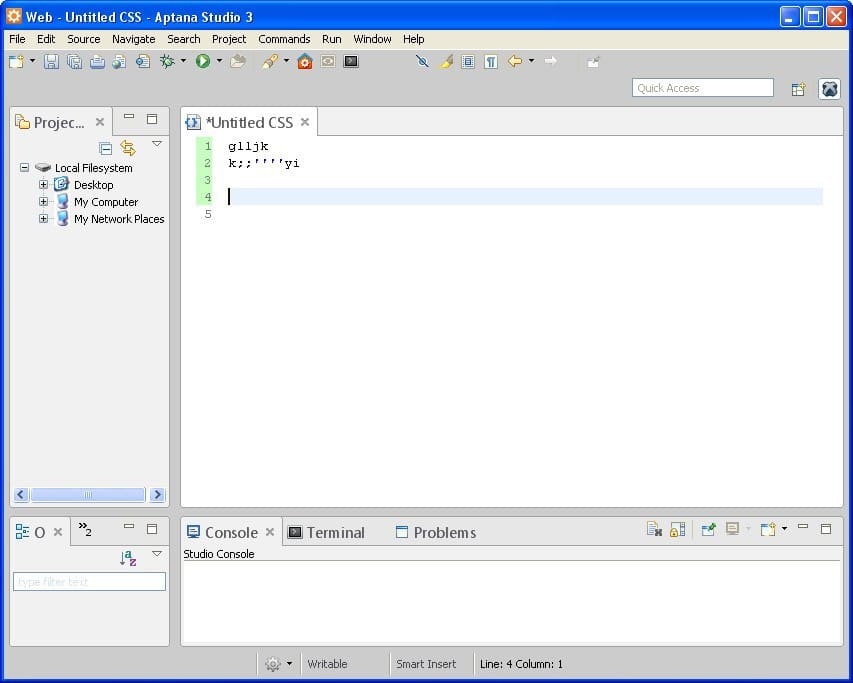
Этот editor поддерживает большое количество библиотек JS, укомплектован отладчиком и терминалом. Реализована возможность совместной разработки с командой, что важно при работе с крупными проектами, состоящими из множества частей.
Есть опции проверки ошибок и автодополнения, что ускоряет программирование. Aptana развертывается на всех популярных операционных системах.
Visual Studio
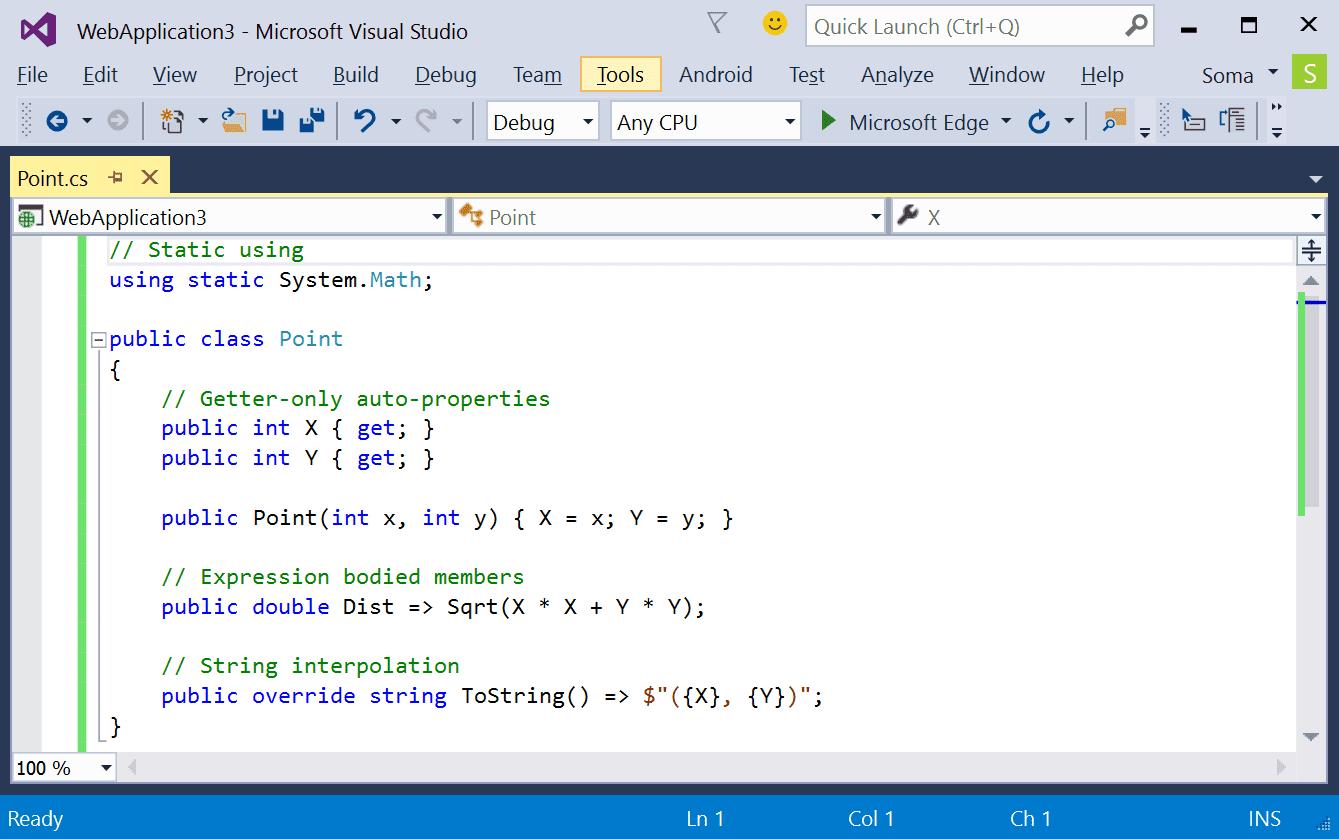
Универсальный редактор кода, в том числе поддерживающий и разработку скриптов. Версия от 2012 года обзавелась полностью переработанным модулем, отвечающим за JS. Сейчас такой софт используется разработчиками, которые вынуждены трудиться над большими проектами.
WebStorm
Из примечательных опций у этого инструмента есть три технологии проверки валидности кода — это JSLint, JSHint и встроенный инспектор. Разработчики позаботились об удобстве пользователей, поэтому есть функция интеллектуального автодополнения кода и разнообразие горячих клавиш.

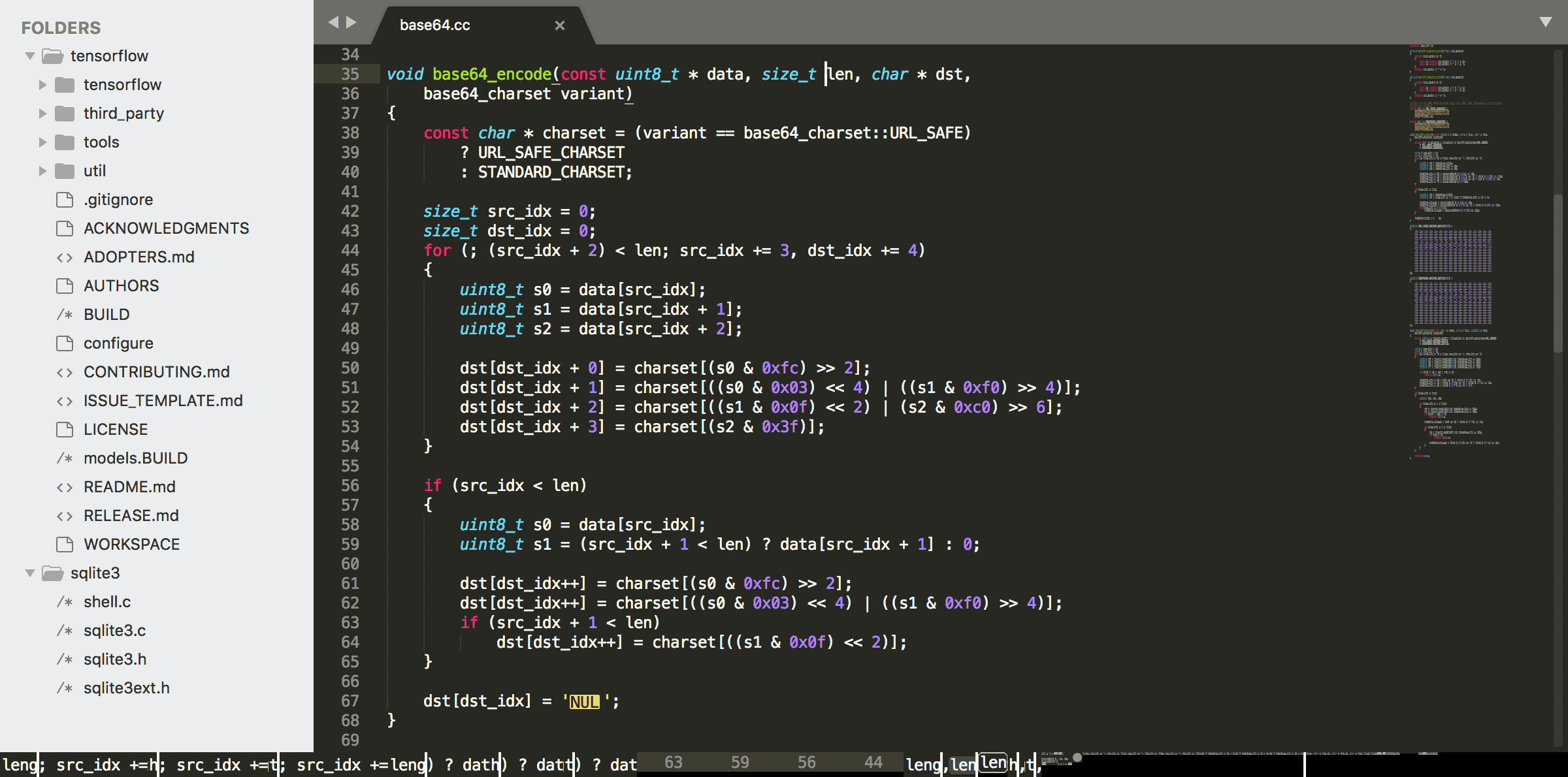
Sublime Text
Текстовый редактор кода с разнообразием плагинов и удобной навигацией по проекту. Продукт бесплатный, но иногда появляется уведомление с предложением купить расширенную лицензию. Еще один плюс: Sublime Text устанавливается на операционных системах Windows, Linus и OS X всех версий.
Spket IDE
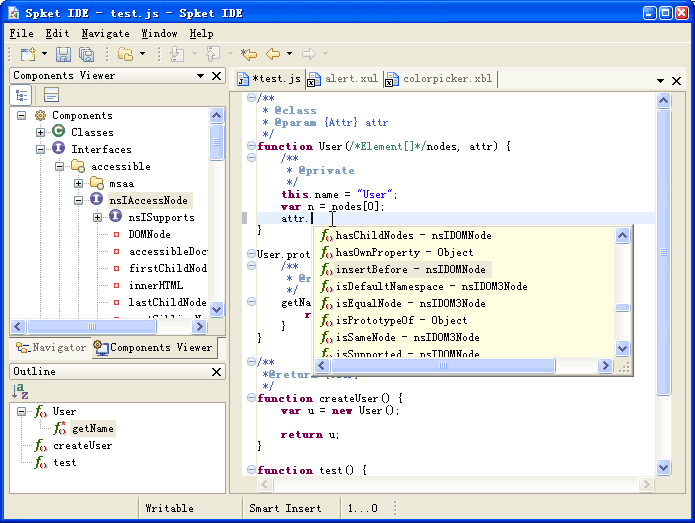
Простой внешне, но достаточно функциональный инструмент на базе Eclipse имеет интегрированный отладчик для IE, вставку inline-комментариев и широкие возможности форматирования кода. Также есть отдельный редактор файлов с расширением JSON.
Zend Studio
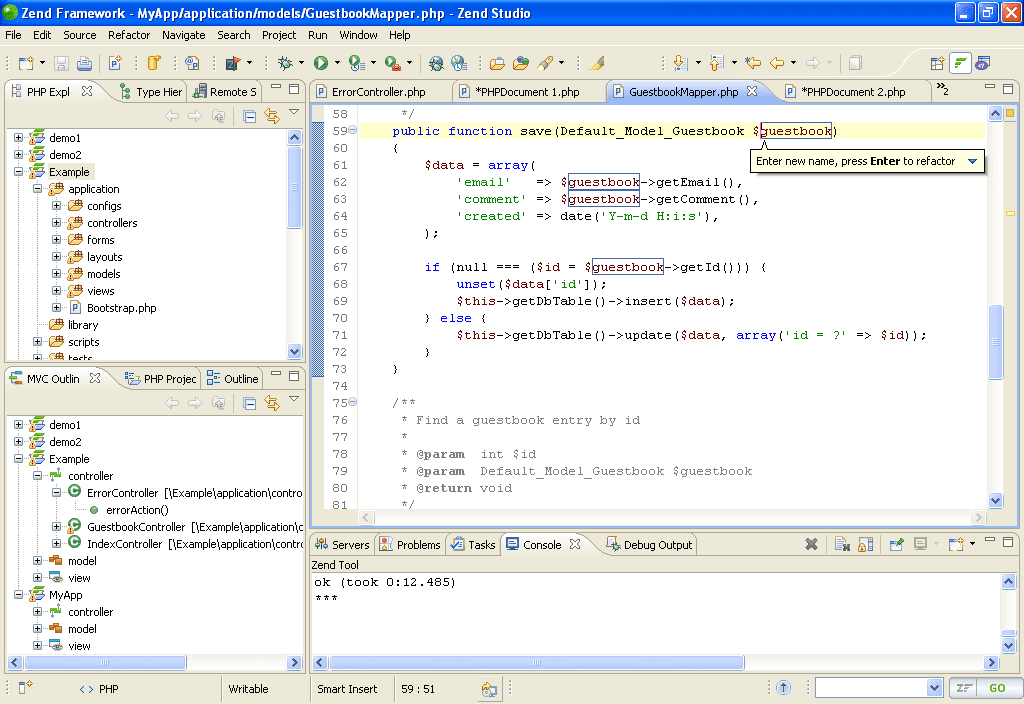
В последнем обновлении разработчики провели большую работу, благодаря чему пользователи могут настроить визуальную среду программирования под свои потребности. Из опций здесь есть отладка в PHP версии 5.1, интегрированное окно IE, автозавершение блоков phpDoc.
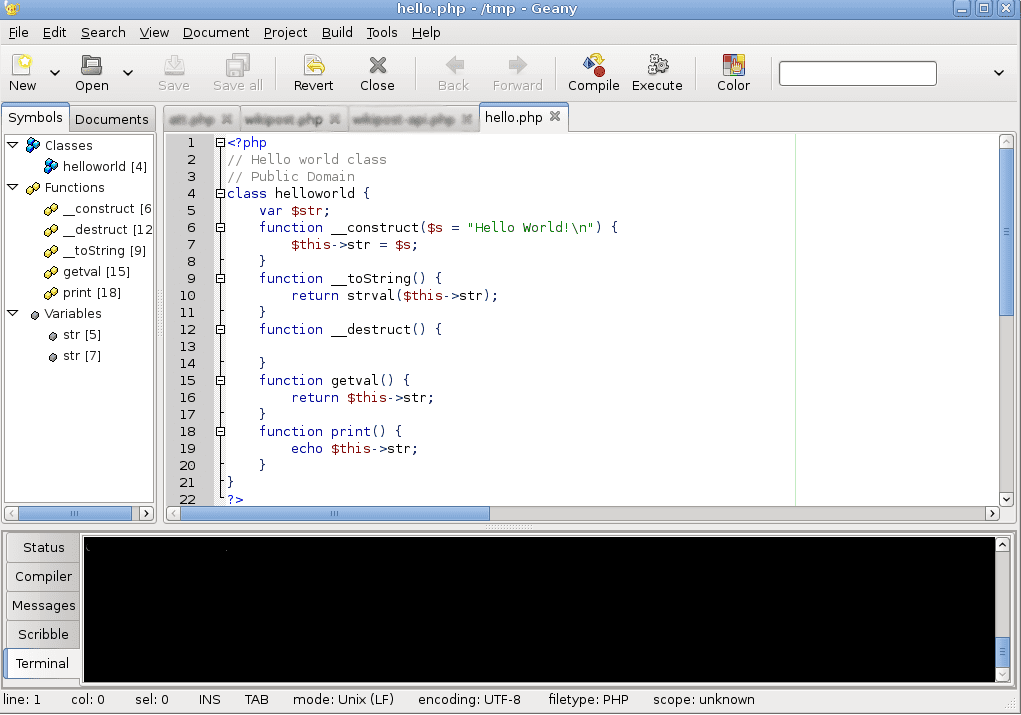
Geany
Большой плюс софта в том, что он совместим с большим количеством расширений файлов, используемых в процессе web-разработки. Приложение дружелюбно к начинающим, так как имеет простой интерфейс с минимумом кнопок и других интерактивных элементов. Работает как под Windows, так и на Linux. Единственный минус, который может доставить некоторые неудобства веб-разработчику — нет встроенных шаблонов, которые упрощают и ускоряют старт нового проекта.
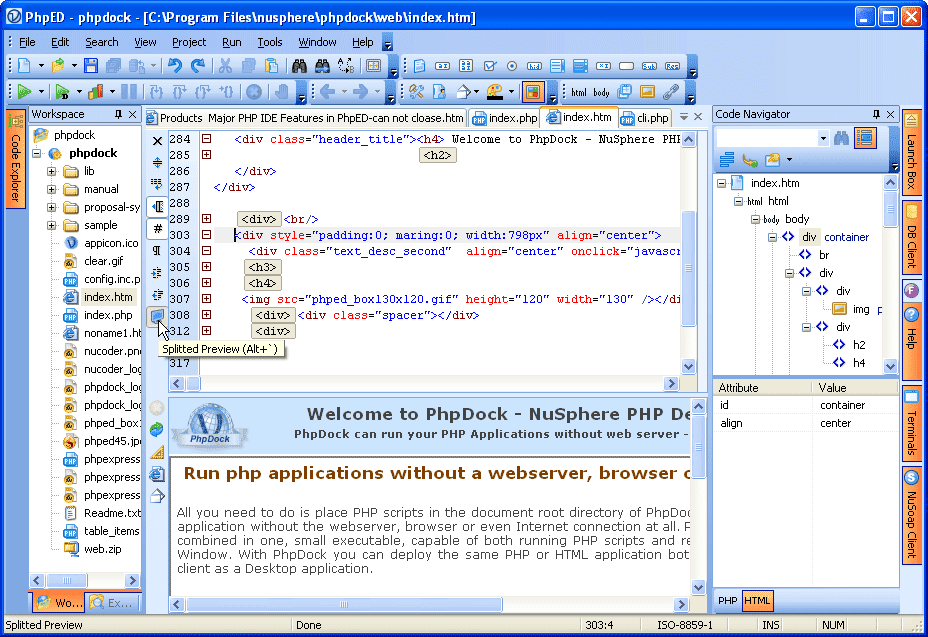
PHPEd
Несмотря на название, продукт используется для написания кода не только на языке PHP. Она также подходит для HTML, CSS, JS, то есть со всеми основными инструментами web-разработчика. Реализована удобная панель инструментов, есть собственный веб-сервер и отладчик. Благодаря мастеру параметров можно в пару кликов настроить поначалу сложный интерфейс под себя. Единственный серьезный минус — нет автозавершения кода при работе с JS.
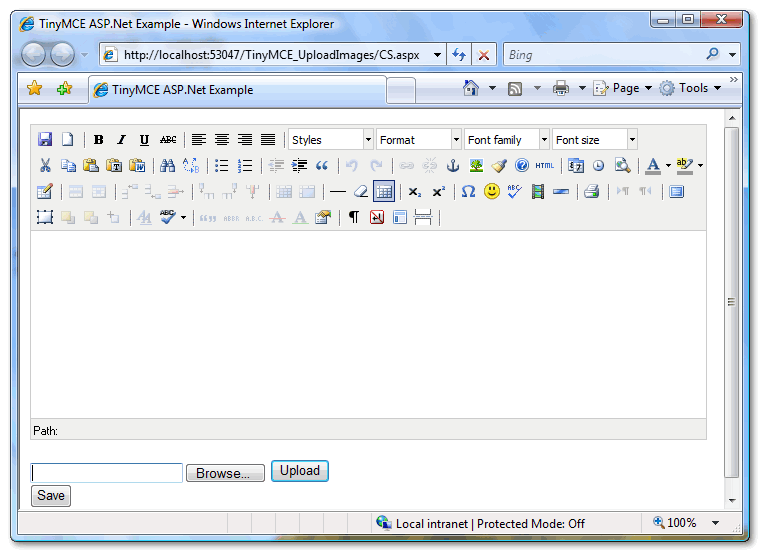
TinyMCE
Кроссбраузерный редактор кода, который можно установить на любую операционную систему. Совместим с большим количеством плагинов, расширяющих возможности web-разработки. Есть много шаблонов и тем, визуально изменяющих среду программирования на вкус пользователя. Программа реализуется по лицензии LGPL, что дает продавать и редактировать код приложения.
Нельзя однозначно сказать, какой из рассмотренных редакторов лучше или хуже. Каждый из них — всего лишь инструмент, и результат разработки зависит исключительно от навыков программиста. Попробуйте несколько программ и остановитесь на той, которой вам комфортно пользоваться.